
Technology
-

-
Our Science
Our Science
By modifying endothelial cell signaling, INGENIA Technology provides breakthrough vascular therapeutics.
Based on our deep understanding of endothelial biology, we found a unique way to halt, reverse and recover blood vessel disorders by modifying
a clinically validated signaling pathway. Endothelial signaling pathways play a critical role in regulating vascular growth and stability by controlling vascular permeability, inflammation, and pathological angiogenesis.
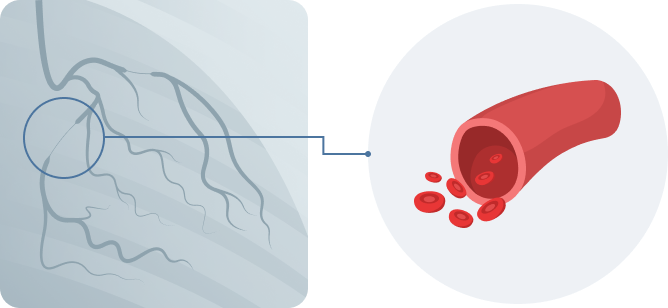
Diseases that are caused by aging and abnormal function of microvessels are very diverse and often intractable.
Microvascular dysfunction and endothelial activation, which are associated with increased endothelial permeability and inflammation, present an important clinical problem in many pathological processes, including vascular complications of diabetes, retinal vascular diseases, inflammatory diseases, cancer, and other conditions. The re-establishment of a structurally and functionally stable vasculature would be beneficial in these conditions.
Defective Blood Vessels
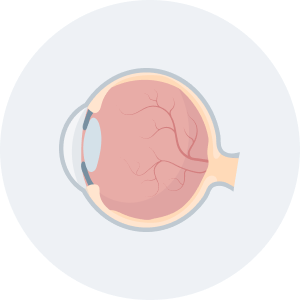
Eye Diseases
Brain Diseases

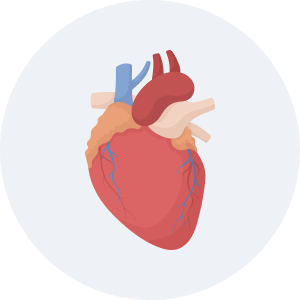
Cardiovascular Diseases
Inflammatory & Infectious Diseases

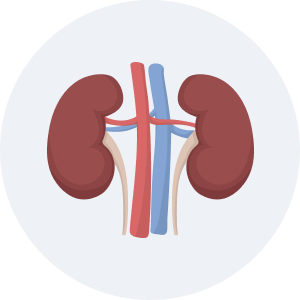
Kidney Diseases
Cancer
Neurological Diseases
Restoring Defective Blood Vessels by INGENIA Technology
Leaky, inflamed, & angiogenic vessel (Disease)
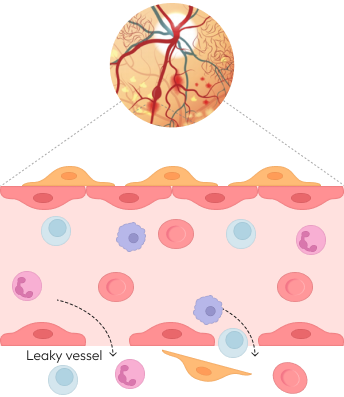
- Inflammation
- Hypoxia
- Angiogenesis

Non-leaky & healthy vessel
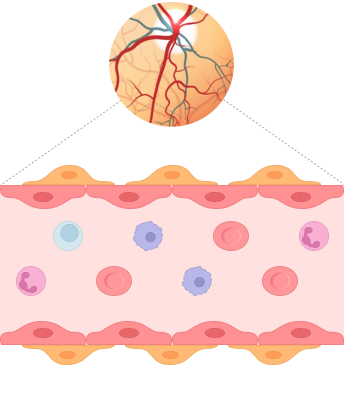
- Inflammation
- Hypoxia
- Angiogenesis
-
 Red blood cell
-
 T Lymphocyte
-
 Neutrophil
-
 Macrophage
-
 Pericyte
-
 Endothelial
Core Technology
Tie2, Gatekeeper for stable & healthy blood vessels
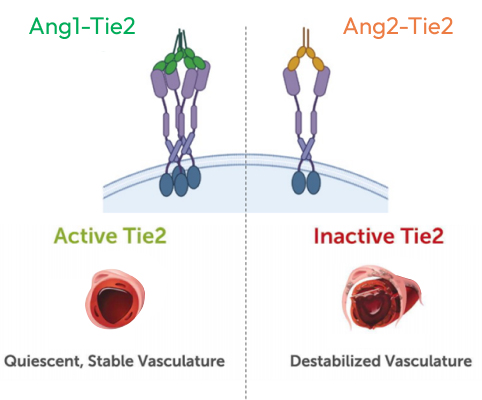
Active Tie2 is critical for stable and non-leaky vessels, and Tie2 agonism can provide benefits to patients⁽¹⁾
Unique & Strong therapheutic efficacy and durability
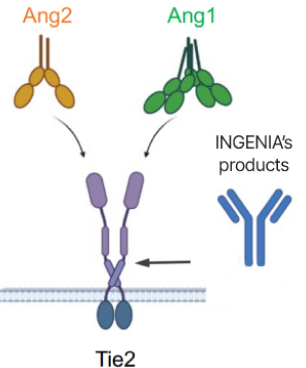
- Directly bind & activate Tie2
- Independent of Ang1/Ang2 levels
- Prevent Tie2 from cleavage by proteases
- • Tie2: tyrosine kinase receptor dominantly expressed in endothelial cells
- • Ligands: angiopoietin-1 (Ang-1), angiopoietin-2 (Ang-2)
INGENIA’s lead candidates may have more potent and durable effect on endothelia cells.
References
- 1.
Augustin HG, Koh GY, Thurston G, Alitalo K. Control of vascular morphogenesis and homeostasis through the angiopoietin-Tie system.
Nat Rev Mol Cell Biol. 2009 Mar;10(3):165-77